
Kings County Blotter Sources
No Brooklyn precinct posts a named booking list. No DOC office or sheriff unit does either. None of them publish a 72-hour or weekly version of that roster. That roster simply does not exist here. NYPD takes a different route and publishes open datasets plus citywide statistics. The year-to-date arrest data updates quarterly. Historic arrest data refreshes once a year. Crime statistics arrive weekly. Those are data products, not a live blotter of Kings County arrests.
The historic NYPD arrest dataset catalogs arrest events. Fields cover time, place, offense, and demographics. Its catalog page spells out the official scope of the dataset itself.
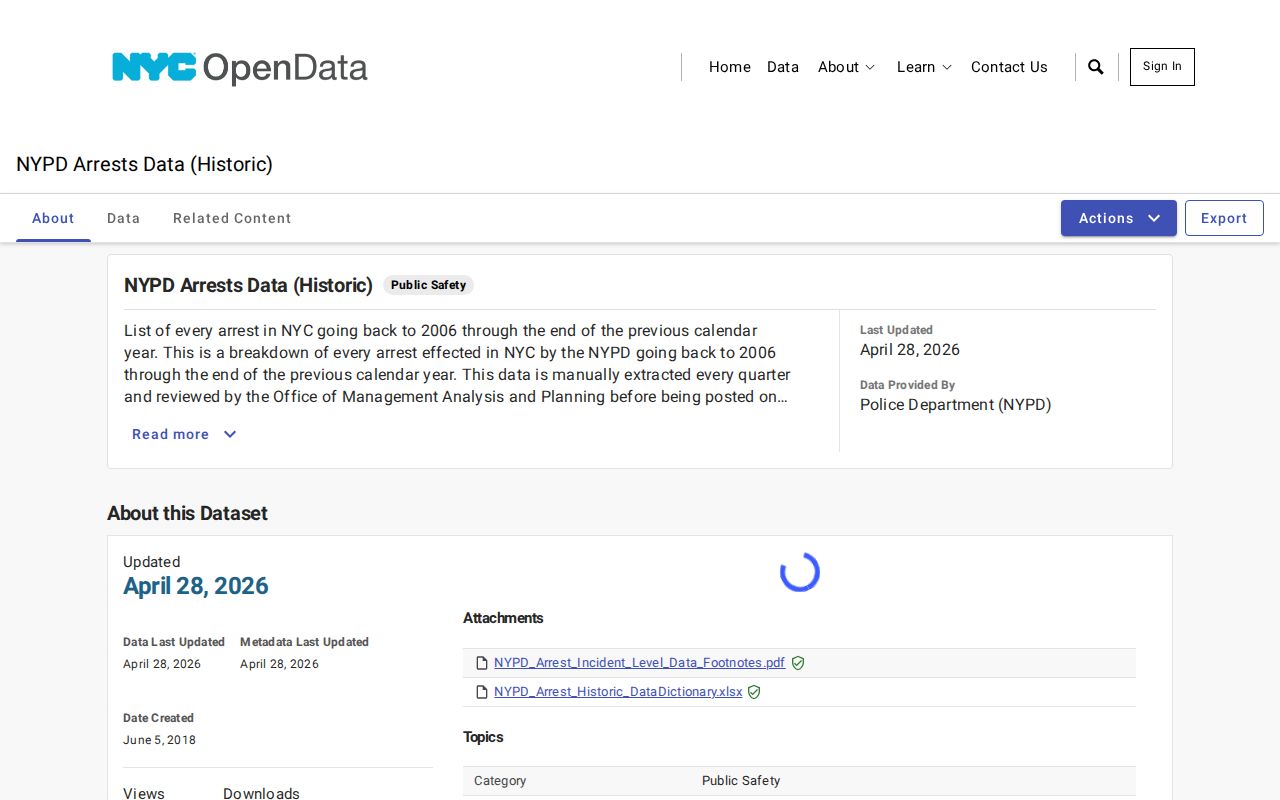
For older arrest patterns, the historic set is strong. It does not track current DOC custody or include booking photographs.
One phrase, three meanings. A "weekly arrest log" in Kings County could be a statistical release, a handful of chosen news stories, or a custody-records search. Always say which one you mean. A statistical series counts events without naming anyone. A newsroom picks a few incidents that fit its coverage. A custody locator shows only people held right now, so someone arrested and released vanishes from view. No single stream gives a full Brooklyn arrest history.
Read Kings County Arrest Reports
Match the source to the question. Open Data answers event counts and trends. Local journalism supplies the story around an arrest. DOC tells you who is in city custody now, while court records show what happened after police processing. For urgent same-day checks, the Arrests Last 24 Hours page is the place to start.
- Note the source type and its update schedule before reading a date as current.
- Filter official Open Data by arrest date and borough where the interface permits, then record the dataset update date.
- Compare a news report with the named police, prosecutor, or court source it cites.
- Use the DOC locator only to check present city-jail custody. Do not treat it as an arrest archive.
- Follow the court case to disposition, meaning the recorded outcome, before treating an charge as resolved.
Sources sometimes disagree. When they do, trust the office that owns the record. NYPD holds the police record. DOC holds custody data. New York courts hold case status. A newspaper adds context, but its story date is not the arrest date. Note your filters, the dataset vintage, and the story's publication time, because later updates can otherwise erase the basis for comparison.
Kings County Arrest Data Fields
An Open Data row, a newspaper story, and a DOC custody result are three different animals. Keep each field tied to its own source rather than blending them into a fake booking card.
| Source field | How to interpret it |
|---|---|
| Arrest date and time | The recorded event timing, which may differ from publication or DOC entry time. |
| Location and borough | Where the arrest event was coded, not necessarily the current holding facility. |
| Offense description | The charge category at that stage. |
| Demographic attributes | Dataset values intended for analysis and subject to review or revision. |
| Custody identifiers | NYSID and Book & Case Number may appear in DOC tools, not every data row. |
| Photo | No routine public NYPD data photo; DOC says it does not supply mugshots. |
The year-to-date NYPD arrest-data page offers another official statistical view of Kings County arrests. Updates arrive quarterly. That pace suits researchers rather than anyone tracking daily bookings. Treat it as a dataset, not a custody log. Read each field with care. A demographic value or offense code can be revised after publication. Charge text names a category used by the arresting agency. It carries no court outcome. A current DOC record, meanwhile, may list bail, court dates, and holding details that the catalog omits. Leave those later custody fields out of any Open Data entry unless an official linked record supplies them.
Brooklyn Weekend Report Timing
Brooklyn Paper publishes online weekdays and puts out a weekly print edition. Brooklyn Eagle and News 12 post as incidents get reported. None promises full weekend arrest coverage or a Monday catch-up. A story may land days after the arrest. That often waits until NYPD or prosecutors make a statement.
For a named person, start with the official paths in the Kings County recent-arrests hub. The DOC system itself can take 48 hours or longer after an arrest. Housing and data entry show up on that delay. Newsroom delay and custody-system delay are separate problems. Neither turns into a fixed holiday rule.
Brooklyn Arrest News Is Selective
For Brooklyn arrest news, three outlets stand out: the Brooklyn Paper police and fire section, the Brooklyn Eagle crime section, and News 12 Brooklyn. Each covers selected incidents. None posts a full booking list. Photos tend to be scene shots, file images, or agency-supplied pictures, and the city publishes no routine mugshot gallery for Brooklyn arrests.
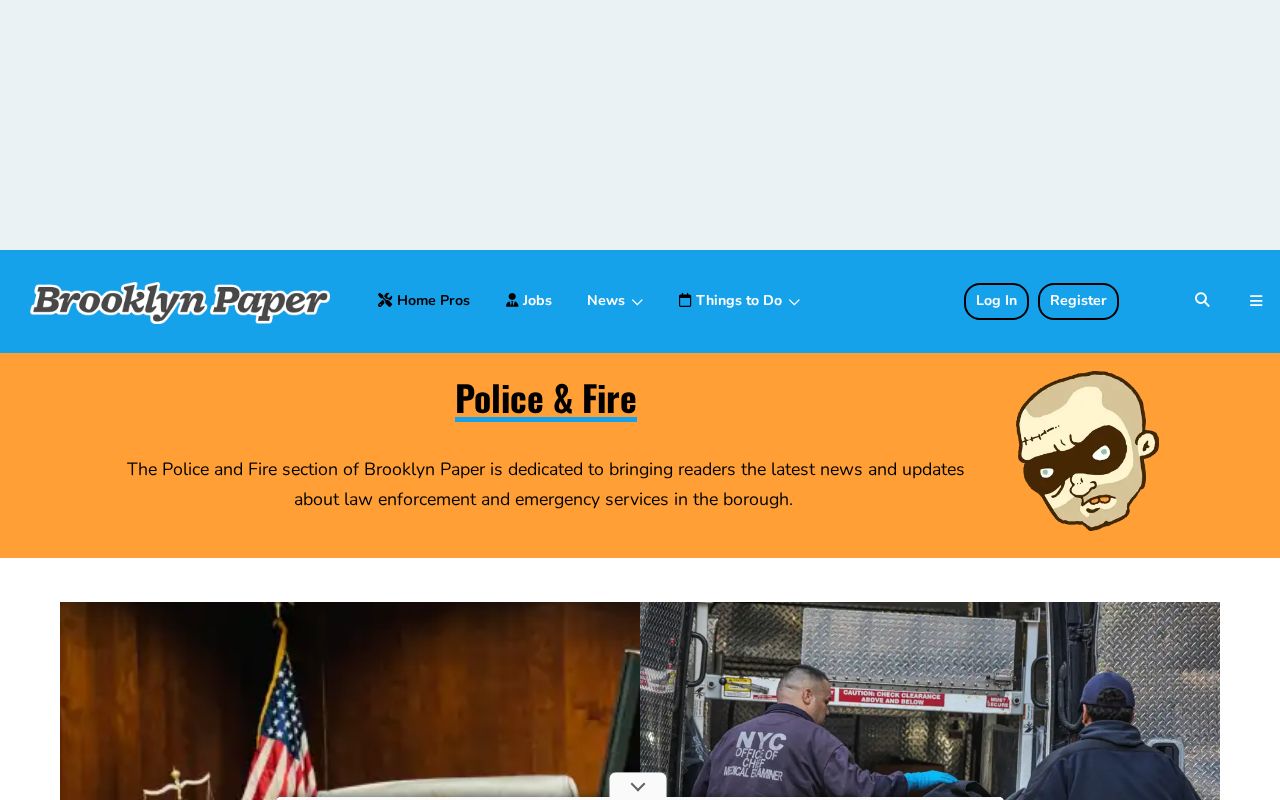
Use these stories for context. Confirm custody and case outcome through DOC and the courts. An outlet's archive or tag page can surface related coverage. Tags are editorial aids with no promise of complete indexing. Describe any image by its caption and origin. A scene photo, a surveillance still, a family photo, and a police booking photograph differ. They are not the same thing.
Kings County Blotter Archives
News articles can be edited, paywalled, or removed under a publisher's own practice. NYPD Open Data offers a documented historic dataset. But no official blotter page says where named entries roll off. For an older Kings County police record, file a targeted NYPD request through NYC OpenRecords. Include the arrest number, date, precinct, and name. Add the date of birth or NYSID if known.
For deep history, try the Brooklyn Newsstand. It offers free digitized newspapers, including long runs of the Brooklyn Daily Eagle.
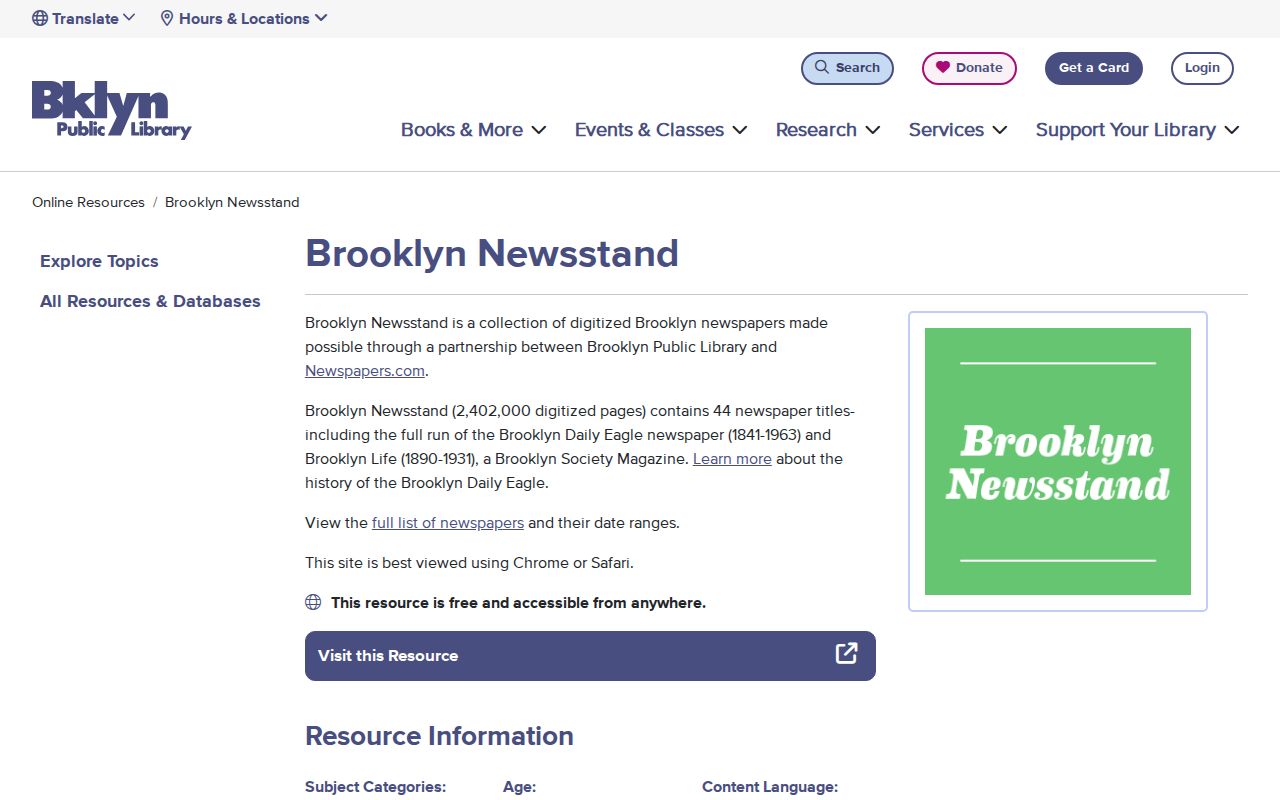
Archived Kings County blotters are historical records, not a live booking feed. Old articles and old arrest entries stay useful for context, though. Each one reflects a moment, not a full case file.
How long a record survives depends on its series. There is no universal deletion period. That holds for an NYPD booking photograph and for a Department of Correction record. Ask the agency that owns the record. Ask which retention schedule applies. Also ask whether the material was transferred, sealed, or lawfully destroyed.
When you request an old record, name the agency and the record type first. An NYPD arrest file, a DOC custody record, a court docket, a state-prison file, and a newspaper article each move through a different system. Give the full name plus the arrest or admission date. Add the precinct, NYSID, Book & Case Number, docket, and facility when you have them. If the agency cannot locate the item, ask whether a cited schedule transferred or destroyed it. Sealed and youthful-offender material stays restricted even where an unsealed adult summary would be available.
Kings County Arrest Trend Data
Kings County trend figures come from several clocks. Weekly NYPD citywide statistics, quarterly year-to-date arrest data, annual historic data, and state DCJS numbers each update on their own schedule. DCJS figures grow out of fingerprint-based criminal-history submissions. That makes them solid for trend work but useless for a live named booking search. Whenever you cite a figure, state the time period. Note the revision status too.
Keep aggregates and individual cases apart. A countywide trend cannot tell you what happened in one person's arrest. For the legal result of any single charge, the court docket is the right source.
Search Kings County Arrest Records
Search with exact identifiers, then confirm the source date, custody status, and court outcome.
Sponsored Results